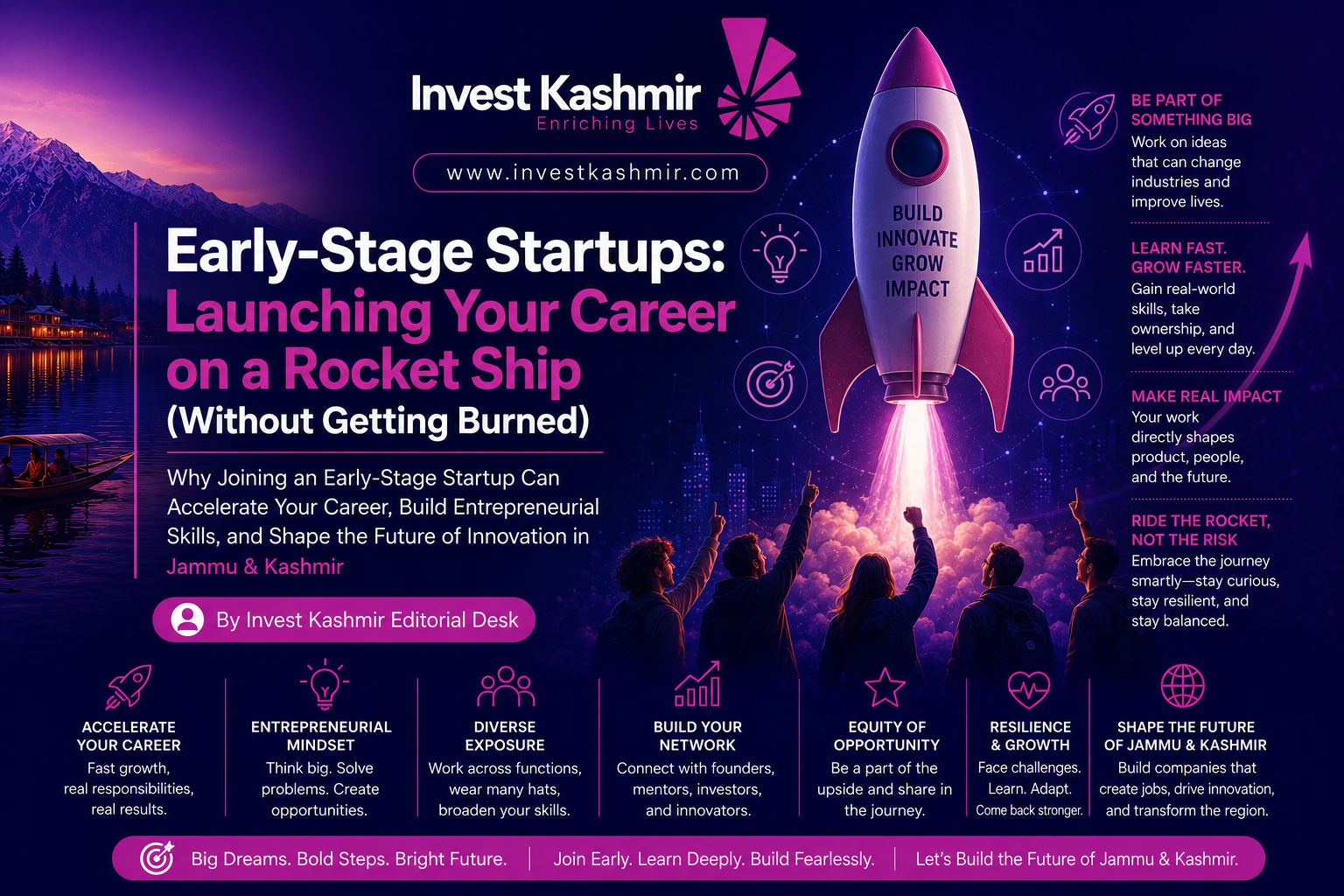
Why Joining an Early-Stage Startup Can Accelerate Your Career, Build Entrepreneurial Skills, and Shape the Future of Innovation in Jammu & Kashmir
By Invest Kashmir Editorial Desk
Every generation witnesses a shift that redefines the way people build careers.
Decades ago, success was largely associated with securing stable employment in government institutions or large corporations. Today, a new generation of professionals is increasingly choosing a different path—joining early-stage startups where innovation, agility, and learning happen at extraordinary speed.
Early-stage startups are often described as “rocket ships.” They move quickly, embrace uncertainty, solve real-world problems, and create opportunities for individuals to make meaningful contributions from the very beginning. Unlike traditional organizations where roles may be highly specialized, startups often allow employees to work across multiple functions, gaining broad experience in product development, marketing, finance, operations, technology, customer engagement, and business strategy.
However, every rocket ship also comes with turbulence.
Working in an early-stage startup can be exciting, rewarding, and career-defining—but it also requires resilience, adaptability, continuous learning, and realistic expectations.
For Jammu & Kashmir, where entrepreneurship, innovation, tourism, information technology, agriculture, handicrafts, renewable energy, manufacturing, and digital services are creating new economic opportunities, early-stage startups have the potential to become powerful engines of employment, innovation, and regional growth.
What Is an Early-Stage Startup?
An early-stage startup is a newly established business focused on developing and validating a product or service while building its customer base and refining its business model.
These companies typically operate with:
- Small teams
- Limited financial resources
- High levels of innovation
- Rapid decision-making
- Continuous experimentation
- Strong growth ambitions
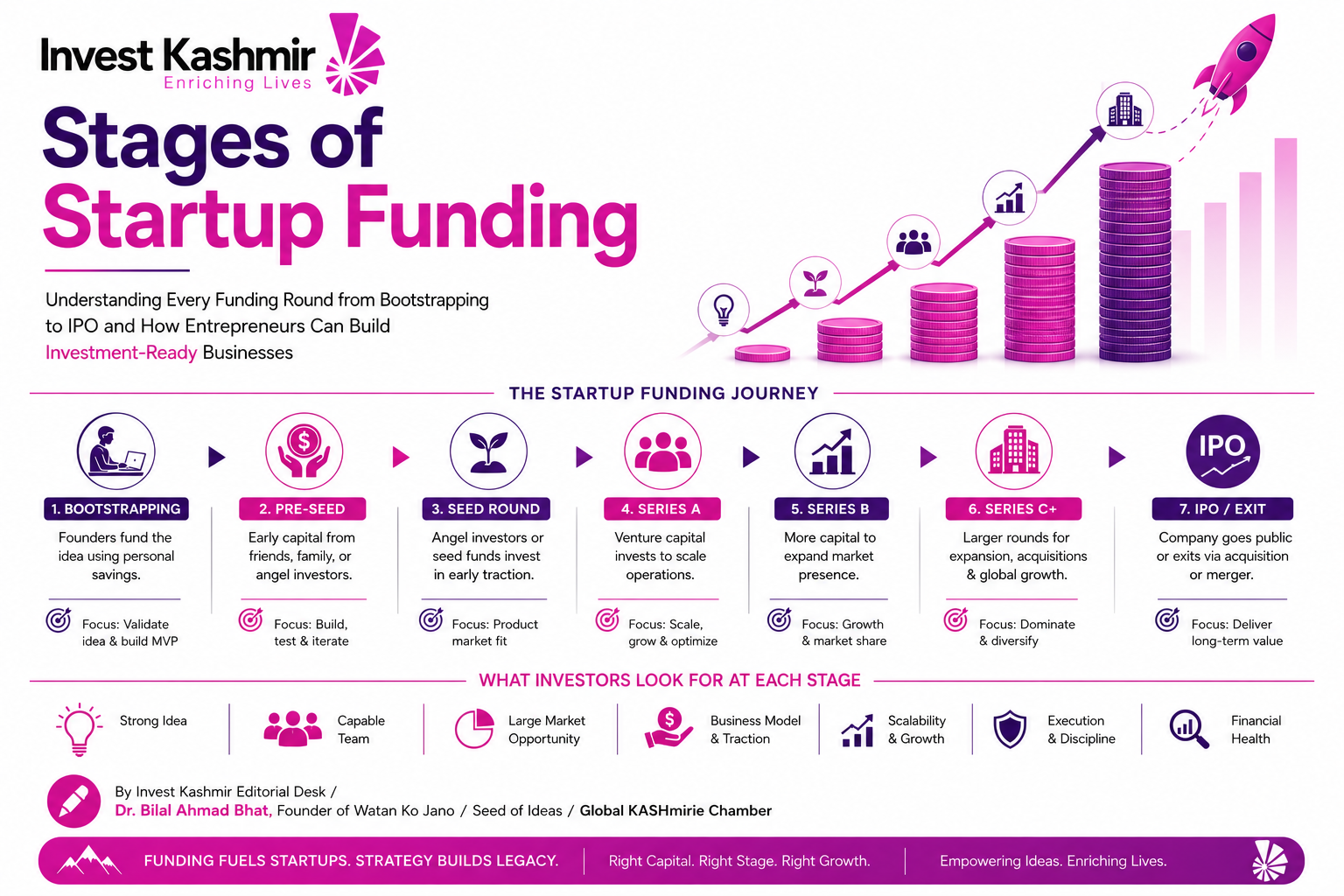
Many are still searching for product-market fit while preparing to scale through investment, partnerships, or market expansion.
Startup accelerators frequently support companies at this stage with mentorship, networking, and investor introductions, helping founders iterate quickly before presenting to potential investors.
Why Startups Offer Exceptional Career Growth
Large organizations often provide structured career progression.
Startups provide accelerated learning.
Employees frequently gain exposure to responsibilities that might otherwise take years to experience in traditional corporate environments.
Within months, a startup employee may contribute to:
- Product design
- Customer acquisition
- Sales strategy
- Marketing campaigns
- Financial planning
- Investor presentations
- Business development
- Recruitment
- Technology implementation
This diverse exposure builds both technical and leadership capabilities.
Learning Beyond Your Job Description
One defining characteristic of startups is flexibility.
Job descriptions frequently evolve.
A software developer may participate in customer interviews.
A marketing professional may contribute to product strategy.
An operations specialist may assist with fundraising preparation.
This cross-functional experience develops professionals who understand how businesses operate as complete systems rather than isolated departments.
Working Closely with Founders
One of the greatest advantages of joining an early-stage startup is direct access to founders.
Instead of multiple layers of management, employees often work alongside entrepreneurs making strategic decisions every day.
This provides valuable exposure to:
- Leadership
- Decision-making
- Strategic planning
- Crisis management
- Innovation
- Customer relationships
- Investor communication
Learning directly from founders can significantly accelerate professional development.
Building an Entrepreneurial Mindset
Even individuals who never intend to establish their own companies benefit from startup experience.
Working in startups encourages:
- Problem-solving
- Adaptability
- Ownership
- Creativity
- Customer-centric thinking
- Financial awareness
- Innovation
These capabilities remain valuable across every industry.
The Importance of Mentorship
Successful startups often cultivate strong mentoring relationships.
Founders, advisors, investors, accelerator mentors, and experienced professionals help team members navigate challenges while expanding their professional networks.
Research and accelerator experience consistently highlight mentorship as one of the most valuable benefits of early-stage startup ecosystems.
Why Young Professionals Are Choosing Startups
Many graduates are increasingly attracted to startups because they offer:
- Faster learning
- Greater responsibility
- Direct business impact
- Opportunities for innovation
- Dynamic work environments
- Entrepreneurial culture
Recent reporting also notes that many young professionals value startups for their steep learning curves and the ability to see the impact of their work much sooner than in many traditional organizations.
Understanding the Challenges
Startup life is exciting, but it is rarely predictable.
Employees should understand that early-stage companies may experience:
- Rapid changes in priorities
- Resource constraints
- Evolving job responsibilities
- Product pivots
- Funding uncertainty
- Tight deadlines
- Continuous experimentation
These challenges are normal parts of building innovative businesses.
Success often depends upon adaptability rather than perfection.
How to Thrive Without Getting Burned
Joining a startup does not mean sacrificing long-term wellbeing.
Professionals can build sustainable careers by adopting healthy habits.
Continue Learning
Invest in technical knowledge, communication, leadership, financial literacy, and emerging technologies.
Ask Questions
Curiosity accelerates growth.
Understanding why decisions are made often proves more valuable than simply completing assigned tasks.
Build Strong Relationships
Networking with colleagues, founders, customers, mentors, and investors expands future opportunities.
Manage Expectations
Not every startup becomes a global success.
However, even startups that change direction often provide exceptional learning experiences.
Maintain Balance
High performance requires sustainable habits.
Managing workload, maintaining physical wellbeing, and protecting personal time support long-term productivity.
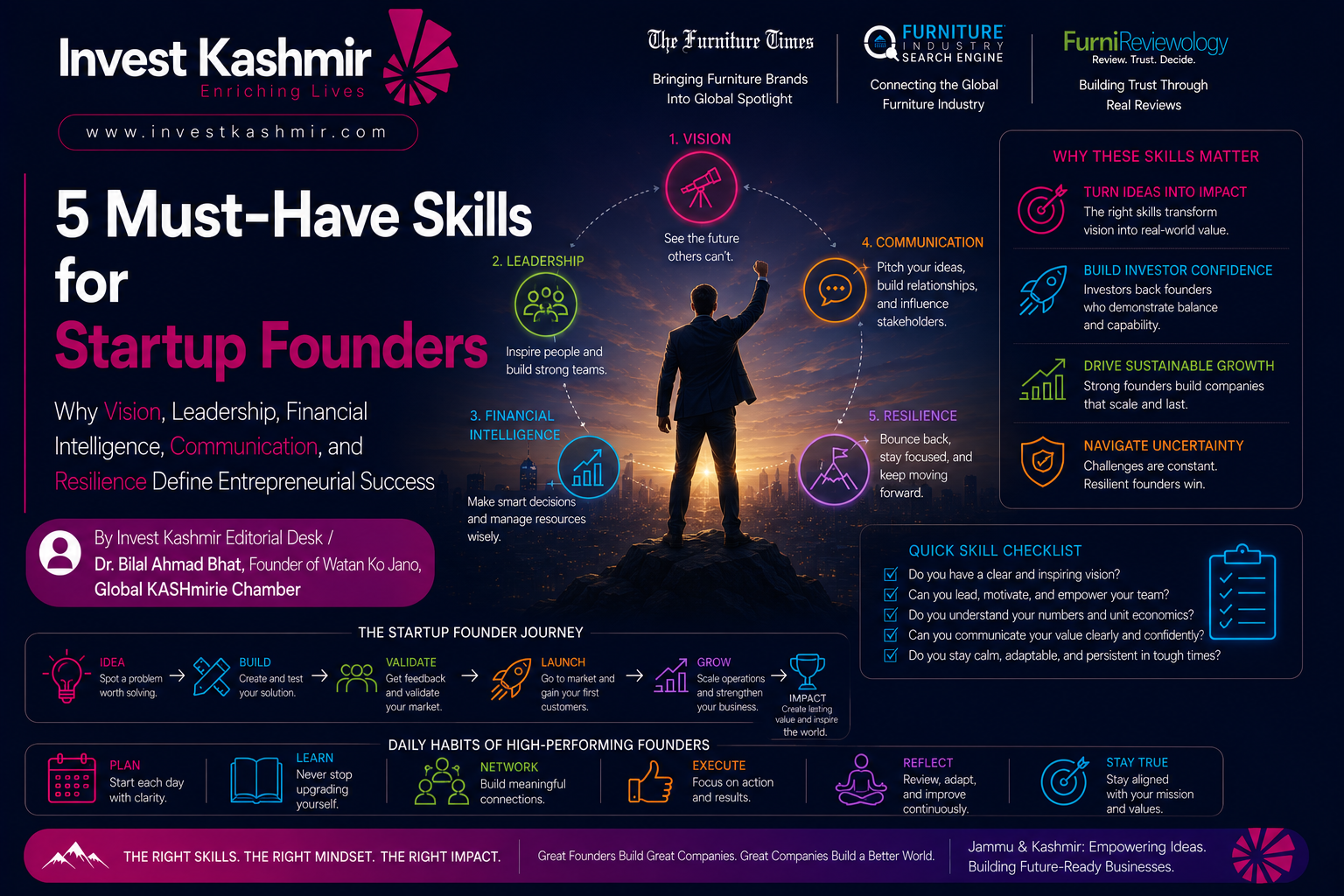
Skills That Matter Most
Technology alone does not determine success.
Early-stage startups increasingly value professionals who demonstrate:
- Communication
- Adaptability
- Critical thinking
- Creativity
- Collaboration
- Customer empathy
- Data literacy
- Digital skills
- Leadership potential
- Continuous learning
These capabilities complement technical expertise and remain valuable regardless of industry.
Opportunities in Jammu & Kashmir
Jammu & Kashmir is witnessing growing entrepreneurial activity across sectors including:
- Tourism Technology
- Artificial Intelligence
- Agriculture
- Horticulture
- Food Processing
- Renewable Energy
- Healthcare
- Education Technology
- Digital Commerce
- Manufacturing
- Creative Industries
- Handicrafts
As these industries evolve, startups will require talented professionals capable of combining innovation with practical business execution.
Young professionals who join these ventures today may become the founders, investors, mentors, and industry leaders of tomorrow.
The Role of Universities
Educational institutions play an essential role in preparing graduates for startup careers.
Beyond academic knowledge, universities can strengthen entrepreneurial ecosystems by encouraging:
- Innovation challenges
- Startup internships
- Research commercialization
- Incubation centers
- Industry partnerships
- Business competitions
- Entrepreneurship education
These experiences help students develop confidence before entering the workforce.
Building a Startup Ecosystem
Strong startup ecosystems depend upon collaboration between:
- Entrepreneurs
- Universities
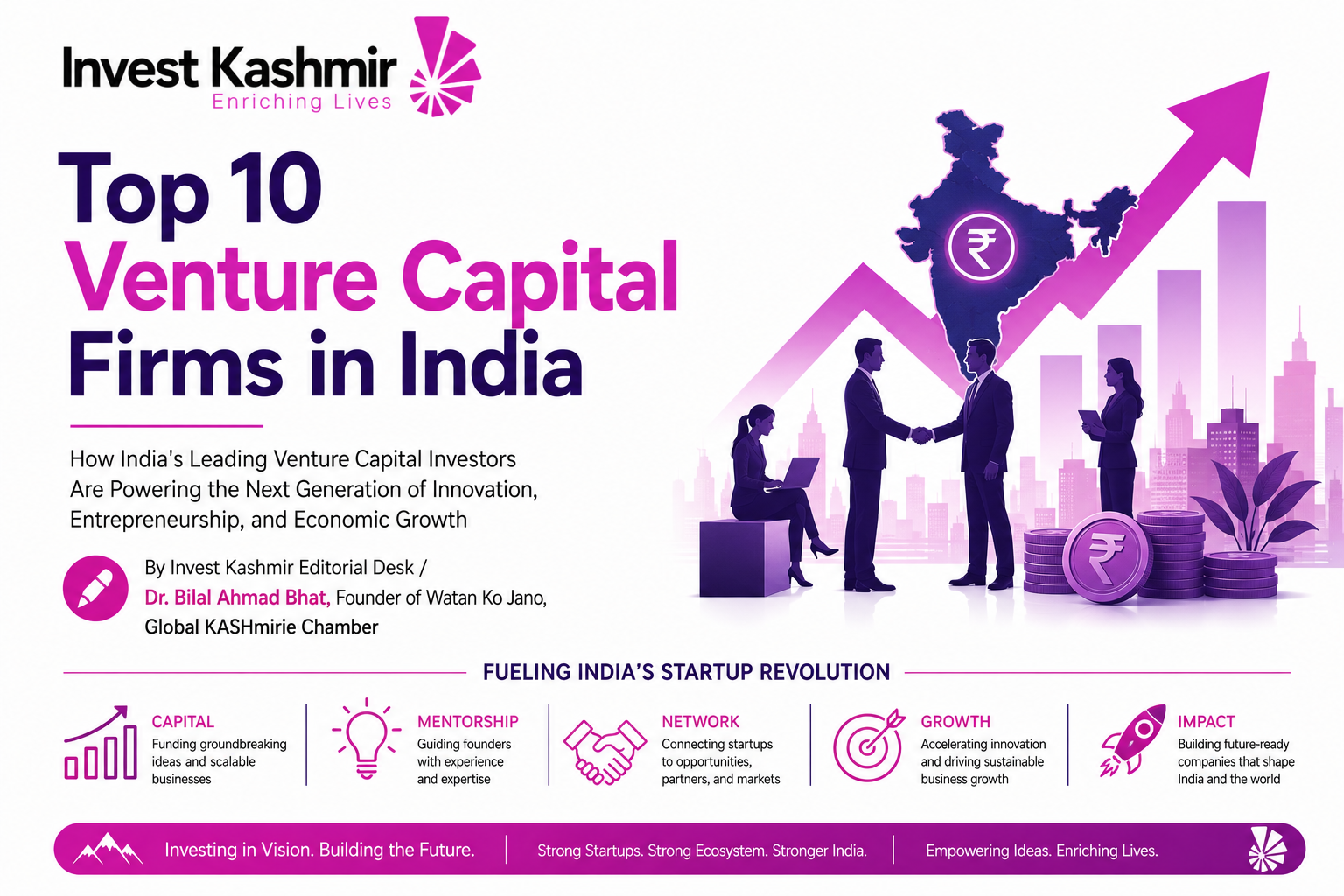
- Investors
- Government agencies
- Incubators
- Accelerators
- Financial institutions
- Industry associations
- Technology companies
Together, these stakeholders create an environment where startups can innovate, scale, attract investment, and generate employment.
Looking Beyond the First Job
An early-stage startup should not be viewed merely as employment.
It is an intensive learning environment.
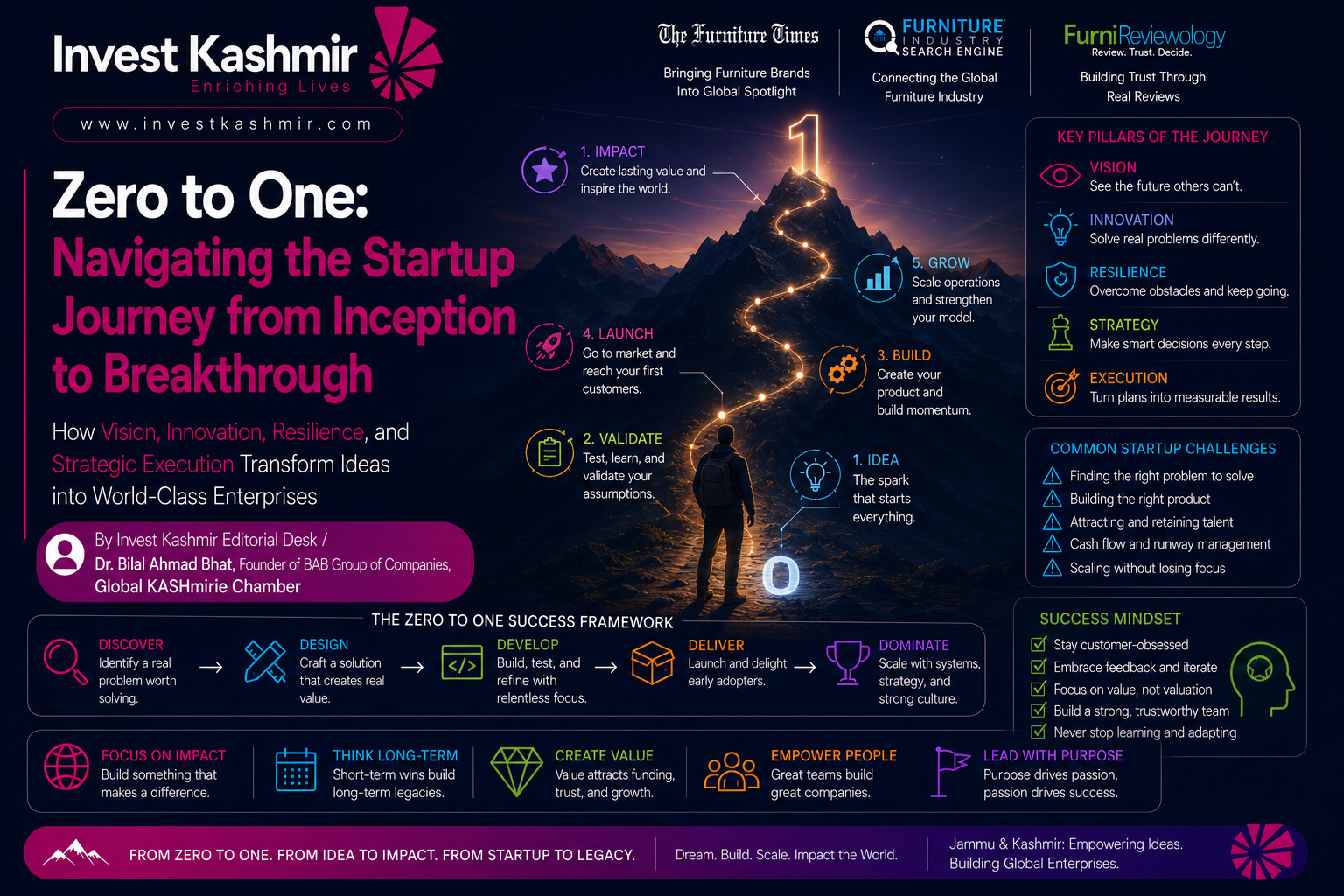
It is an opportunity to understand how businesses are created from the ground up.
It is a place where professionals develop resilience, confidence, leadership, and entrepreneurial thinking.
While startup journeys involve uncertainty, they also provide experiences that few traditional workplaces can match.
For Jammu & Kashmir, nurturing startup talent will be essential to building a competitive innovation economy.
Every successful startup begins with a small team willing to solve meaningful problems.
Every thriving startup ecosystem begins with individuals willing to embrace learning, adapt to change, and contribute beyond their job titles.
Joining an early-stage startup may not always be the easiest career choice.
But for those who seek continuous growth, meaningful impact, and the opportunity to help build the future, it can become one of the most rewarding journeys of a lifetime.