Introduction: A Silent Shift That Changes Everything
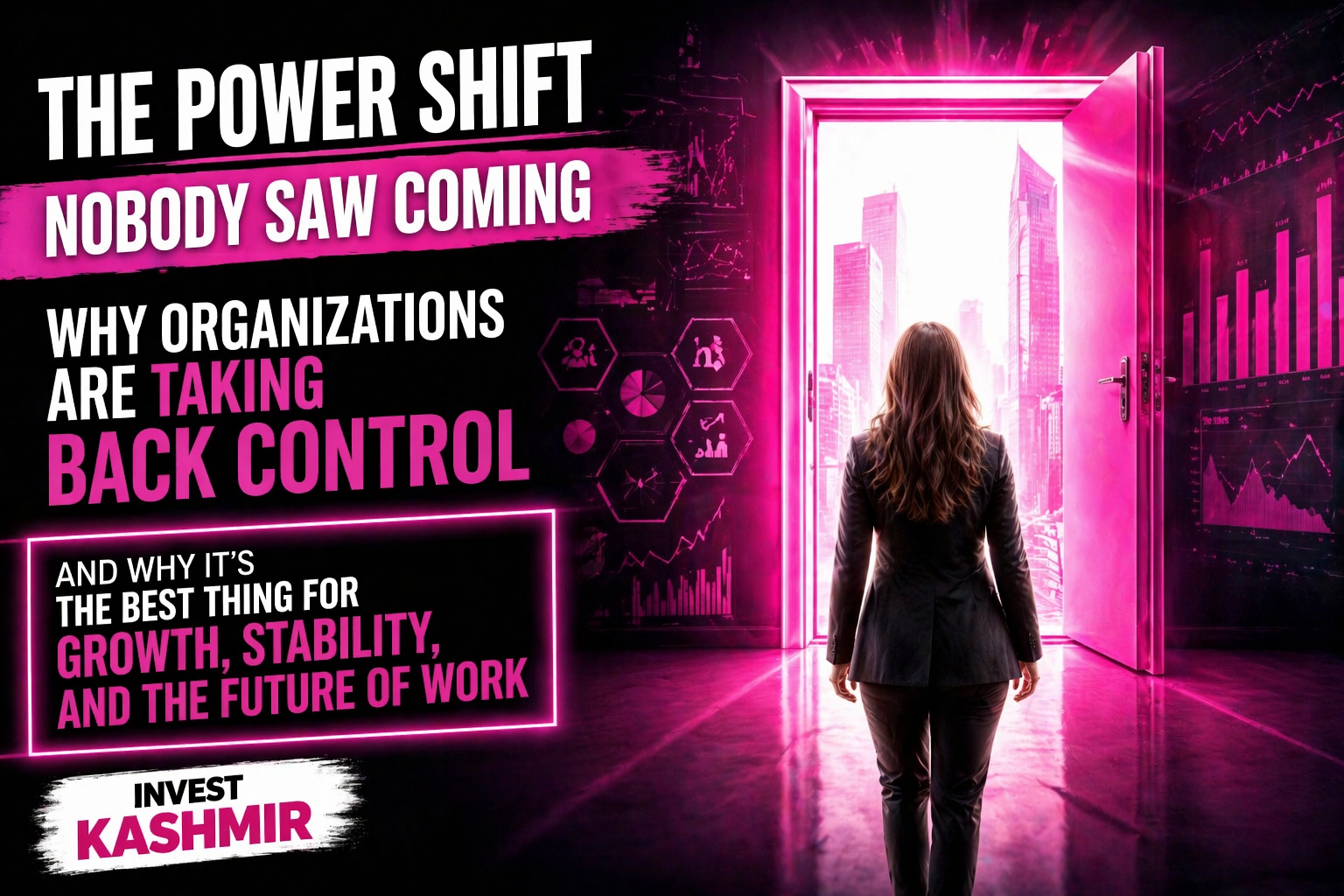
For years, the narrative was clear: power had moved into the hands of individuals. Talent dictated terms. Employees demanded flexibility, purpose, and freedom—and organizations adapted or fell behind. But now, something powerful is happening beneath the surface.
The balance of power is shifting back to organizations.
And here’s the truth most people are missing: this is not a setback—it’s a strategic evolution that can unlock stability, innovation, and long-term success for everyone involved.
This shift is not about control. It’s about alignment, resilience, and sustainable growth.
If you ignore this transformation, you risk being left behind. If you understand it, you position yourself ahead of 90% of the market.
What Does “Power Shift Back to Organizations” Really Mean?
This shift doesn’t mean employees are losing value. Instead, it signals a recalibration.
Organizations are now:
Regaining decision-making authority
Redefining workplace expectations
Prioritizing long-term strategy over short-term flexibility
Building systems that reward performance, not just presence
Why? Because chaos doesn’t scale. Structure does.
During uncertain global conditions, companies realized something critical:
Sustainable success requires clarity, accountability, and direction—and that starts at the organizational level.
Why This Shift Was Inevitable
1. Economic Pressure Demands Stability
When markets tighten, businesses can’t afford unpredictability.
Organizations must:
Optimize costs
Ensure productivity
Deliver consistent results
This requires stronger leadership control—not fragmented autonomy.
2. Remote Work Exposed Hidden Gaps
The remote revolution brought flexibility—but also:
Communication breakdowns
Reduced accountability
Misaligned priorities
Organizations are now refining hybrid models to regain:
focus, collaboration, and measurable output.
3. Talent Saturation Is Changing Dynamics
The era of extreme talent scarcity is balancing out.
More skilled professionals are entering the market, which means:
Companies have more choices
Hiring power is shifting
Expectations are becoming more performance-driven
4. Long-Term Vision Is Back in Focus
Short-term perks no longer define success.
Organizations are now prioritizing:
Strong culture
Clear hierarchy
Strategic growth
Because vision—not flexibility alone—builds empires.
Why This Is Actually a Good Thing
1. Stronger Organizations Create Stronger Opportunities
When companies are stable, structured, and focused:
Employees get clearer career paths
Teams operate with purpose
Growth becomes predictable
Chaos benefits no one. Stability benefits everyone.
2. Accountability Drives Real Success
A system where organizations lead means:
Clear expectations
Measurable performance
Reward based on results
This creates a culture where:
effort meets opportunity—and excellence gets recognized.
3. Innovation Thrives Under Direction
Contrary to popular belief, freedom alone doesn’t drive innovation.
Guided innovation does.
Organizations provide:
Resources
Strategy
Direction
This combination turns ideas into execution.
4. Career Growth Becomes Merit-Based
In a balanced power system:
Skills matter more than noise
Results matter more than demands
Value creation becomes the currency
This is where true professionals rise.
The Urgency: Adapt or Be Left Behind
Let’s be direct.
The rules are changing again.
If you are:
A professional relying only on flexibility
A business ignoring structure
A brand not adapting to this shift
Then you are at risk.
Because the new economy rewards:
discipline, adaptability, and alignment with organizational goals.
What You Should Do Right Now
For Professionals:
Focus on skills that drive measurable results
Align with company goals instead of resisting them
Build value that organizations cannot ignore
For Businesses:
Strengthen leadership and decision-making
Create systems that balance flexibility with accountability
Invest in long-term growth, not short-term trends
For Entrepreneurs and Leaders:
Understand this shift early
Build structured, scalable models
Lead with clarity, not confusion
The Bigger Picture: A More Balanced Future
This is not about organizations winning and individuals losing.
This is about:
balance being restored.
A world where:
Organizations provide stability
Individuals provide innovation
Both move forward together
That is where real progress happens.
Conclusion: The Smart Will Adapt, The Rest Will React
Every major shift creates two groups:
Those who resist and struggle
Those who adapt and dominate
The return of organizational power is not a threat.
It is an opportunity disguised as change.
If you understand it early, align with it, and act on it—you don’t just survive.
You lead.