How the World’s Leading Innovation Hubs Are Adapting to Artificial Intelligence, Smarter Investment, and a New Era of Entrepreneurial Growth
By Invest Kashmir Editorial Desk
The global startup economy has entered a new phase.
After more than a decade of rapid expansion fueled by abundant venture capital, low interest rates, and aggressive technology investment, startup ecosystems around the world are adapting to a more disciplined, innovation-driven environment. While entrepreneurial activity remains strong, founders, investors, governments, and innovation agencies are increasingly focusing on sustainable growth, Artificial Intelligence (AI), deep technology, resilient business models, and long-term value creation.
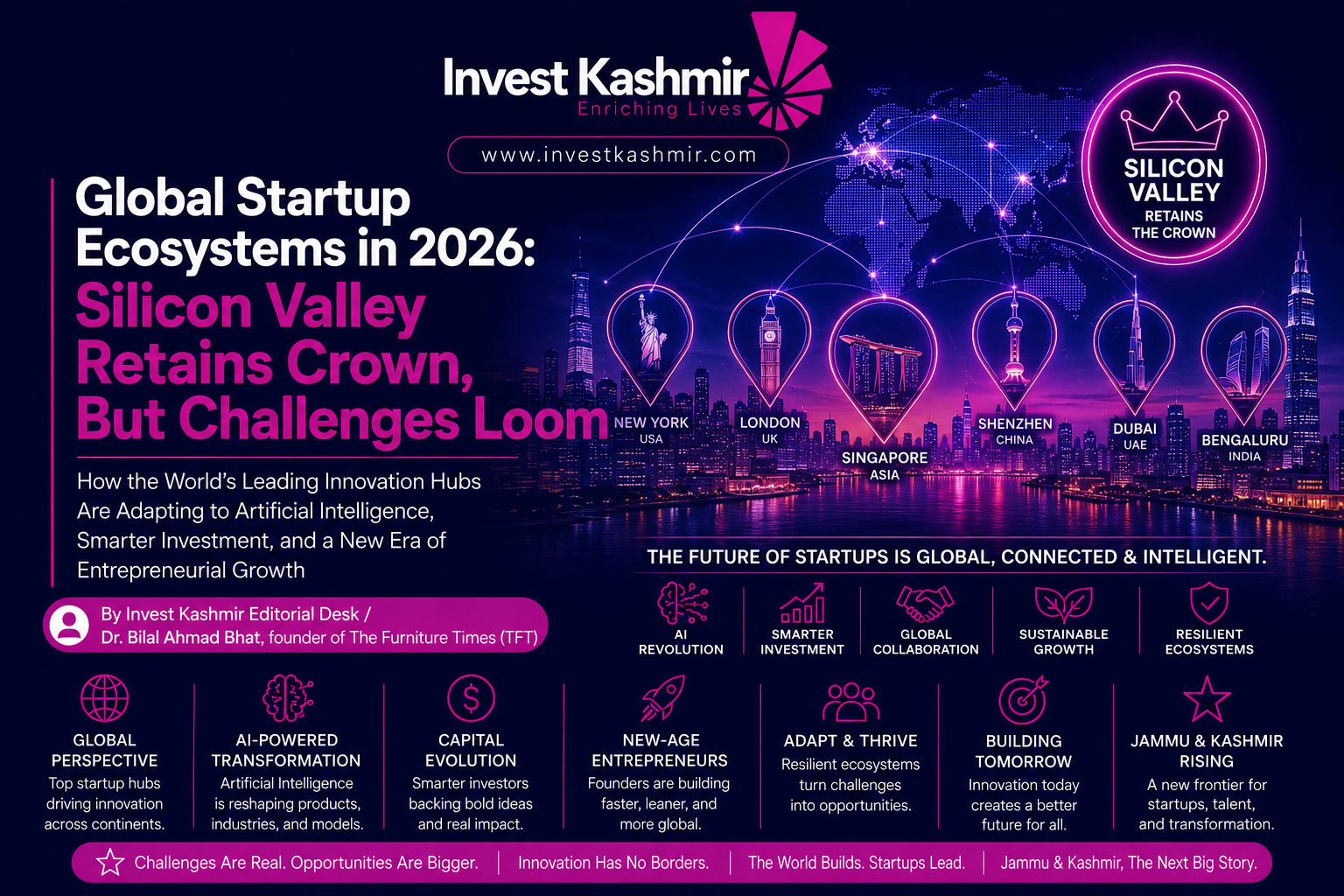
Despite heightened geopolitical uncertainty, inflationary pressures, evolving capital markets, and changing investor expectations, Silicon Valley continues to hold its position as the world’s leading startup ecosystem in 2026, reaffirming its unmatched combination of talent, research, venture capital, global technology companies, and entrepreneurial culture. According to the Global Startup Ecosystem Report 2026 (GSER), Silicon Valley remains the top-ranked ecosystem, followed by New York City and London, while emerging ecosystems continue to gain momentum across Asia, the Middle East, Latin America, and Africa.
For regions such as Jammu & Kashmir, these global developments provide valuable insights into how innovation ecosystems can be built through strategic investment in talent, entrepreneurship, research, digital infrastructure, and public-private collaboration.
Silicon Valley Continues to Lead the World
For decades, Silicon Valley has been synonymous with innovation.
It is home to many of the world’s largest technology companies, leading venture capital firms, globally recognized universities, research institutions, and thousands of high-growth startups.
Its continued leadership is driven by several enduring strengths:
- World-class research universities
- Deep venture capital networks
- Highly skilled global talent
- Strong entrepreneurial culture
- Mature innovation infrastructure
- Global technology leadership
- Close collaboration between academia and industry
Startup Genome notes that Silicon Valley’s leadership is reinforced by its exceptional concentration of research capacity, experienced founders, investors, and scalable infrastructure that continues to attract entrepreneurs from around the world.
The Global Rankings Are Becoming More Competitive
Although Silicon Valley remains the benchmark, competition among startup ecosystems continues to intensify.
The Global Startup Ecosystem Report 2026 identifies New York City and London as the next two highest-ranked global ecosystems, while numerous cities are strengthening their positions through targeted investment in AI, digital infrastructure, advanced manufacturing, life sciences, and climate technology.
Emerging ecosystems are no longer trying to replicate Silicon Valley.
Instead, they are building specialized strengths around regional industries, research excellence, manufacturing capabilities, sustainability, and digital transformation.
Artificial Intelligence Is Reshaping Global Innovation
Perhaps the most significant force influencing startup ecosystems in 2026 is Artificial Intelligence.
Generative AI has accelerated innovation across virtually every sector, including:
- Healthcare
- Financial Technology
- Manufacturing
- Agriculture
- Education
- Logistics
- Cybersecurity
- Tourism
- Retail
- Public Services
Investors increasingly favor startups developing AI-native products or integrating AI into traditional industries.
At the same time, founders are using AI to improve productivity, reduce operational costs, accelerate product development, and enhance customer experiences.
The GSER 2026 expands its assessment of AI readiness, reflecting the growing importance of AI capabilities in determining ecosystem competitiveness.
Capital Has Become More Selective
The investment environment has matured considerably.
Several years ago, venture capital often rewarded aggressive expansion and customer acquisition.
Today, investors place greater emphasis on:
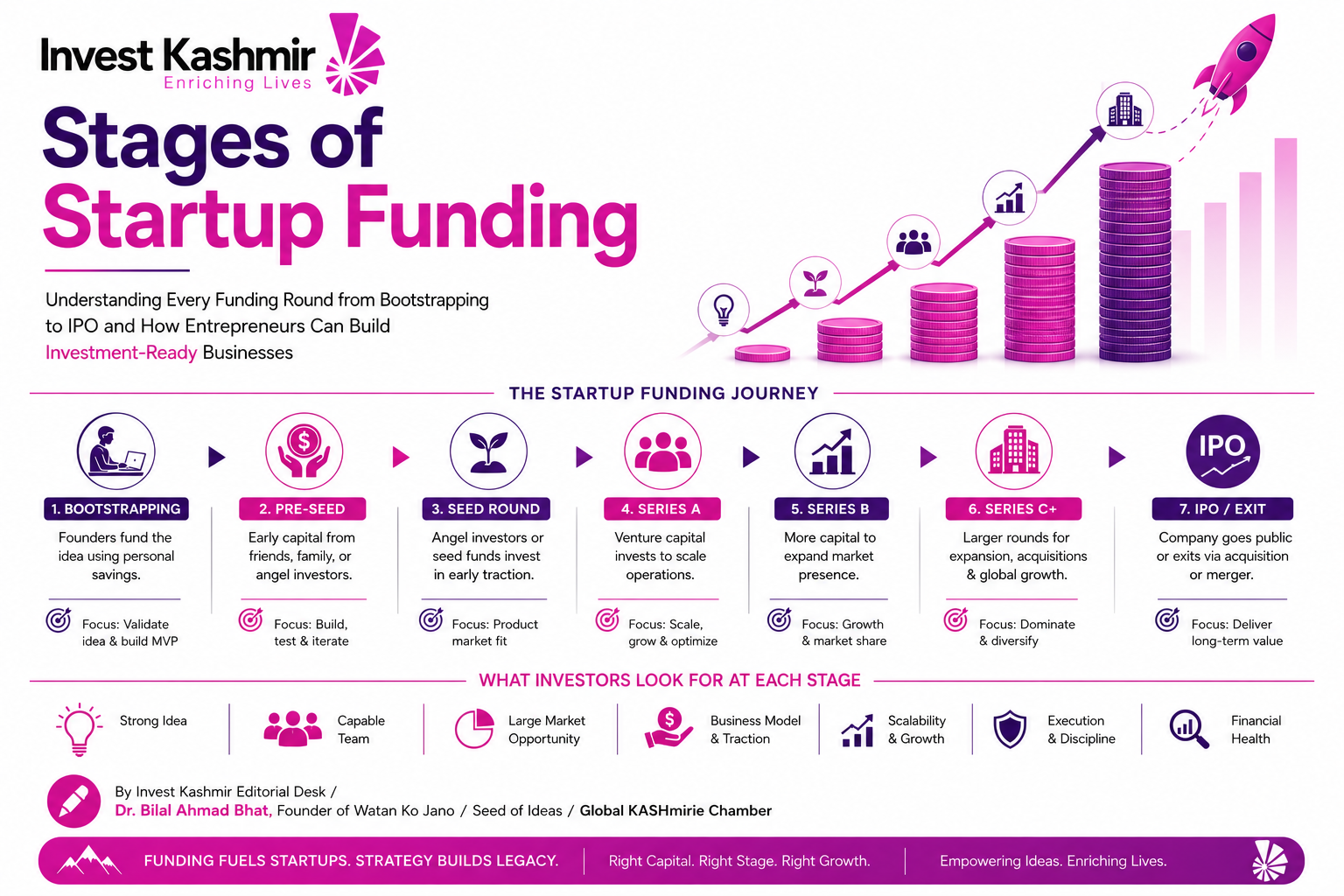
- Sustainable revenue
- Profitability pathways
- Customer retention
- Product-market fit
- Strong governance
- Capital efficiency
- Responsible scaling
Rather than reducing innovation, this shift is encouraging entrepreneurs to build stronger, more resilient businesses capable of long-term success.
Startups Are Solving Bigger Problems
Global startup ecosystems are increasingly focused on addressing structural challenges rather than incremental improvements.
Rapidly growing sectors include:
Artificial Intelligence
Enterprise AI, automation, intelligent software, and decision-support systems.
Climate Technology
Renewable energy, carbon reduction, sustainable manufacturing, and circular economy solutions.
Healthcare Innovation
Digital health, diagnostics, biotechnology, and personalized medicine.
Advanced Manufacturing
Industrial automation, robotics, smart factories, and advanced materials.
Agricultural Technology
Precision agriculture, food security, water management, and sustainable farming.
Cybersecurity
As digital adoption accelerates, securing data and critical infrastructure has become a strategic priority.
These sectors represent long-term opportunities supported by both public and private investment.
Universities Continue to Power Innovation
Leading startup ecosystems share one common characteristic:
Strong universities.
Academic institutions increasingly serve as engines of innovation through:
- Scientific research
- Technology transfer
- Startup incubation
- Entrepreneurship education
- Industry collaboration
- Intellectual property commercialization
The close relationship between universities and industry enables research to become commercial products, scalable businesses, and new employment opportunities.
Government’s Role in Startup Success
Governments across the world are investing heavily in entrepreneurship through:
- Startup incentives
- Innovation grants
- Research funding
- Tax benefits
- Incubators
- Accelerators
- Digital infrastructure
- Skills development
- Regulatory reforms
Rather than replacing private investment, public policy creates conditions that encourage entrepreneurs and investors to innovate with confidence.
Emerging Ecosystems Are Gaining Momentum
While established innovation hubs continue to dominate global rankings, emerging ecosystems are demonstrating remarkable progress.
The GSER 2026 highlights several fast-growing ecosystems benefiting from improved policy support, expanding venture investment, stronger university partnerships, and growing entrepreneurial communities.
Their success demonstrates that world-class innovation is no longer limited to a handful of traditional technology centers.
Opportunities for Jammu & Kashmir
Jammu & Kashmir possesses significant strengths that align with many of today’s global innovation priorities.
Potential high-growth sectors include:
- Tourism Technology
- Artificial Intelligence
- Agriculture
- Horticulture
- Food Processing
- Renewable Energy
- Healthcare Innovation
- Education Technology
- Digital Commerce
- Handicrafts
- Sustainable Manufacturing
- Creative Industries
By combining regional expertise with digital technologies, entrepreneurs can create globally competitive businesses while addressing local challenges.
Building a Strong Startup Ecosystem
A thriving startup ecosystem requires more than entrepreneurs alone.
Success depends upon collaboration among:
- Government
- Universities
- Investors
- Incubators
- Accelerators
- Financial institutions
- Research organizations
- Industry associations
- Technology companies
- Corporate partners
When these stakeholders work together, innovation accelerates, investment increases, and new industries emerge.
The Importance of Intellectual Property
Modern startup ecosystems increasingly recognize intellectual property as a strategic asset.
Patents, trademarks, copyrights, industrial designs, and trade secrets help businesses:
- Protect innovation
- Increase company valuation
- Attract investment
- Expand internationally
- Strengthen competitive advantage
Innovation becomes significantly more valuable when supported by effective intellectual property strategies.
Skills for the Future Economy
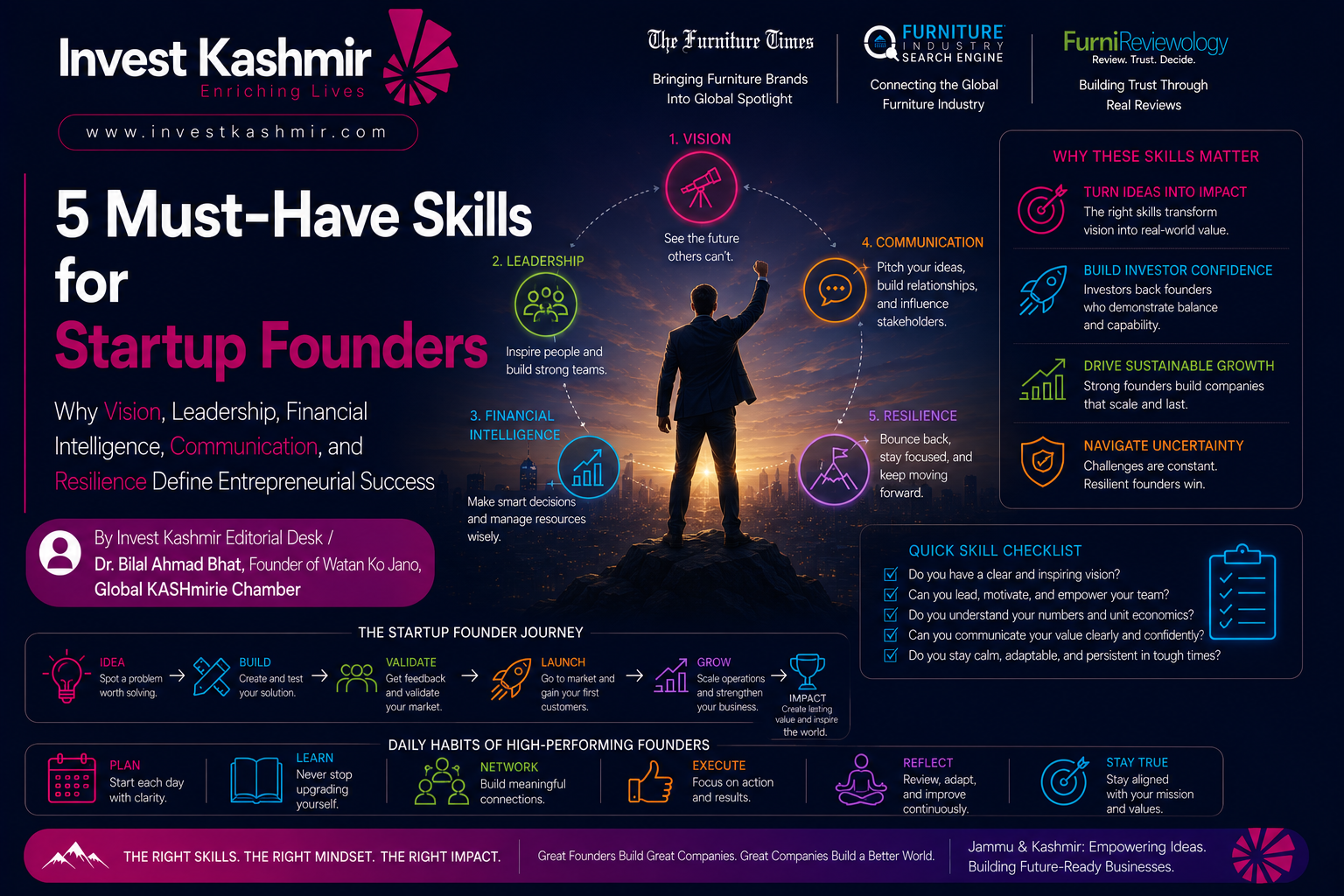
The startups that will shape tomorrow’s economy require professionals capable of combining technical expertise with creativity, leadership, and adaptability.
Critical future skills include:
- Artificial Intelligence literacy
- Data analysis
- Digital communication
- Critical thinking
- Product development
- Entrepreneurship
- Financial literacy
- Problem-solving
- Innovation management
- Ethical leadership
Investment in human capital remains one of the strongest predictors of long-term ecosystem success.
Looking Ahead
Global startup ecosystems are entering a period defined not by unlimited capital, but by smarter innovation.
Silicon Valley continues to lead because it has spent decades building an integrated ecosystem where research, talent, entrepreneurship, investment, and industry reinforce one another.
However, the future will not belong exclusively to established innovation hubs.
Regions willing to invest in education, technology, entrepreneurship, infrastructure, research, and collaboration have unprecedented opportunities to create globally competitive startup ecosystems.
For Jammu & Kashmir, the lesson is clear.
The region does not need to replicate Silicon Valley.
It needs to build an ecosystem that leverages its own strengths—its talented youth, entrepreneurial spirit, universities, cultural creativity, natural resources, emerging digital economy, and growing investor interest.
By encouraging innovation, strengthening startup support, protecting intellectual property, embracing Artificial Intelligence, and fostering collaboration between government, academia, industry, and investors, Jammu & Kashmir can position itself as one of South Asia’s emerging innovation destinations.
The future of entrepreneurship belongs to ecosystems that continuously learn, adapt, collaborate, and innovate.
The race for global startup leadership is no longer defined by geography alone.
It is defined by the ability to transform ideas into sustainable businesses that improve lives, create employment, attract investment, and contribute to long-term economic prosperity.